

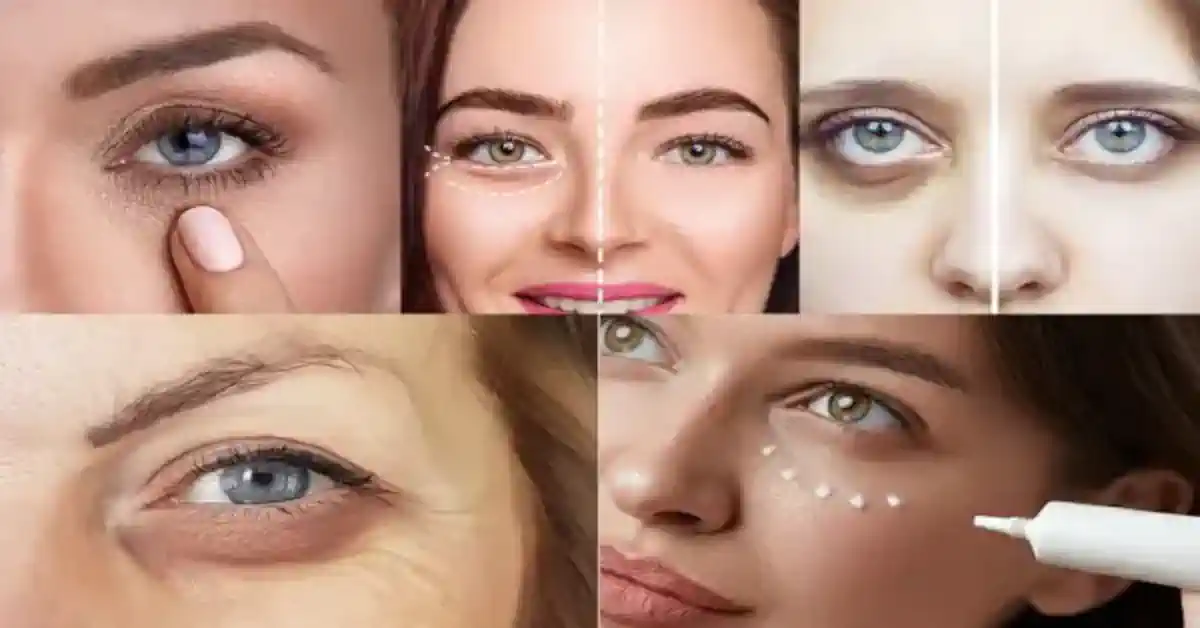
Why Your Skincare Routine Needs a Specialist
Believe it or not, your lifestyle takes a toll on your eyes. Eating and sleeping habits, along with the growing age, leave a visible impact on the soft tissues that guard your eyes from the outside. These tissues don’t have any fat glands, which makes them the most sensitive organ in the human body. Every day your eyes are exposed to dust, smoke, and other irritants that have harmful effects. Fine lines, wrinkles, and mottled pigment are some of the symptoms of skin damage around the eyes. Other aspects like skin color skin tone also get affected.
Eye creams have formulations that deal with these issues. With the prescribed use of these creams, your eyes will look young again. Some of the advantages of eye creams are:- • Very effective • Absorb quickly • Safe ingredients • Reasonably priced • Wrinkle-reducing ingredients • Match the pH level of your tears. An eye cream protects the delicate folds of your eyes from dehydration by supplying essential moisture to the thin walls (layers) of tissues that are often neglected. To protect your skin from withering and age prematurely, vitamins A and D are used within the formulation of eye cream.
It’s because of the upper damaged layers of tissues that your eyes give a tired and aged look. An eye cream that contains acids can clean up and remove these dead layers, revealing fresh, younger skin from beneath. Prolonged exposure to the sun can cause maximum damage to the eyes. Absorbing sunlight may be healthy for other parts of the body, but not for the delicate skin around your eyes. Protect your eyes from the harmful rays of the sun. Use sunglasses when exposed to the sun. Remember, eyes are the most beautiful and sensitive part of human anatomy. A thin, fine line makes all the difference in times when being young is everything.
When it comes to skincare, the debate often centres on whether an eye cream is a legitimate necessity or simply a glorified, expensive version of your standard face moisturiser. To the naked eye, the skin on your face might look uniform, but biologically, the area surrounding your eyes is an entirely different landscape.
Understanding why we need eye creams requires looking past the marketing and into the unique anatomy of the periorbital region. If you are aiming for a comprehensive anti-ageing or preventative skincare strategy, the eye area is often the first place to show signs of fatigue, dehydration, and environmental damage.
1. The Biology of the Eye Area: Why It’s Unique
The skin around the eyes is the thinnest on the entire body. While the skin on the rest of your face has a robust structure of dermis and epidermis, the periorbital skin is roughly 0.5mm thick, compared to an average of 2.0mm elsewhere.
Lack of Sebaceous Gloss
Unlike your forehead or chin, the eye area has very few sebaceous (oil) glands. These glands produce sebum, the body’s natural moisturizer that keeps skin supple and maintains the lipid barrier. Without this natural lubrication, the eye area is prone to:
- Transepidermal Water Loss (TEWL): Moisture evaporates more quickly here.
- Micro-cracking: Dry skin loses elasticity, leading to “crepey” textures.
Constant Motion
Think about how many times you blink in a day. On average, a human blinks 15,000 to 20,000 times. Add to that squinting, smiling, and rubbing, and you have an area of skin that is under constant mechanical stress. Because there is very little subcutaneous fat to cushion this movement, the structural proteins—collagen and elastin—break down faster than in other areas.
2. Common Concerns Eye Creams Address
Standard moisturisers are designed to hydrate large surface areas. Eye creams, however, are formulated with specific molecular weights and active concentrations to target the localised issues of the periorbital zone.
Fine Lines and “Crow’s Feet”
Because the skin is so thin, the first signs of intrinsic ageing (natural ageing) and extrinsic ageing (UV damage) appear here as fine lines. Eye creams often utilize retinol or peptides at lower, gentler concentrations to stimulate collagen production without causing the irritation a full-strength face cream might.
Dark Circles: The Multi-Causal Challenge
Dark circles aren’t just caused by a lack of sleep. They generally fall into three categories:
- Vascular: Thin skin makes the underlying blue/purple blood vessels more visible.
- Pigmentary: Excess melanin production due to sun exposure or genetics.
- Structural: Hollows under the eyes (the tear trough) create shadows.
Ingredients like Vitamin C, Niacinamide, and Kojic Acid help brighten pigmentation, while Caffeine and Vitamin K can constrict blood vessels to reduce the blue tint.
Puffiness and Edema
Fluid retention, often called “edema,” is common in the morning. Gravity, high salt intake, and allergies can cause fluid to pool in the loose tissues under the eye. Eye creams with metal applicators or ingredients like green tea extract and caffeine act as vasoconstrictors and anti-inflammatories to “de-puff” the area.
3. Eye Cream vs. Face Moisturiser: The Key Differences
The most frequent question in skincare is, “Can’t I just use my face cream?” While you can, it isn’t always optimal.
Ingredient Concentration and Safety
The skin near the eye is highly permeable. Ingredients that are perfectly safe for your cheeks might be too aggressive for your eyelids. Eye creams are ophthalmologist-tested to ensure they won’t migrate into the eye and cause stinging, blurred vision, or chemical conjunctivitis.
Formulations and Molecular Weight
Face creams are often heavy, containing occlusives like petrolatum or shea butter to lock in moisture. If these are too heavy, they can cause milia—small, hard white bumps caused by trapped keratin. Eye creams are typically lighter or use specialised delivery systems to provide deep hydration without clogging pores.
pH Balance
The pH of the skin around the eyes is slightly different from the rest of the face. Formulating a product specifically for this pH ensures the skin barrier remains intact and reduces the likelihood of redness and flaking.
4. Key Ingredients to Look For
To get the most out of an eye cream, you must match the ingredients to your specific concerns.
| Concern | Top Ingredients |
| Aging/Wrinkles | Retinol, Peptides, Bakuchiol |
| Dryness | Hyaluronic Acid, Ceramides, Squalane |
| Dark Circles | Vitamin C, Niacinamide, Caffeine |
| Puffiness | Arnica, Green Tea, Cucumber Extract |
| Barrier Repair | Panthenol (Vitamin B5), Cholesterol |
5. How to Apply Eye Cream Correctly
Application technique is just as important as the product itself. Because the skin is so delicate, aggressive rubbing can actually contribute to the formation of wrinkles.
- The “Ring Finger” Rule: Use your ring finger to apply the product. It is naturally the weakest finger, ensuring you apply the least amount of pressure.
- Dot and Pat: Apply small dots starting from the inner corner under the eye, moving out toward the temple. Pat gently until absorbed.
- The Orbital Bone: You don’t need to apply product right up to your lash line. The product will naturally “creep” or migrate toward the eye as it warms up on your skin. Focus on the orbital bone.
- Consistency is King: Like all skincare, eye cream is not an overnight fix. It takes approximately 4 to 6 weeks of consistent use to see changes in pigmentation and texture.
6. Preventive Care: When Should You Start?
The best time to start using an eye cream is before you think you need one. Prevention is significantly more effective (and cheaper) than correction.
- In your 20s: Focus on hydration and protection. A basic antioxidant eye cream with Vitamin C or Vitamin E can neutralize free radicals from UV rays and pollution.
- In your 30s: Introduce peptides and light retinoids to support collagen as its natural production begins to slow down.
- In your 40s and beyond: Look for richer formulas with ceramides and growth factors to address skin thinning and deeper folds.
7. Addressing the “Milia” Myth
Some people avoid eye creams because they fear milia. Milia are small cysts that occur when skin cells get trapped rather than exfoliating naturally. While very heavy, oil-based creams can contribute to this, most modern eye creams are formulated to be non-comedogenic. If you are prone to milia, look for gel-based eye formulas or those containing very mild AHAs (Alpha Hydroxy Acids) to encourage cell turnover.
8. Lifestyle Factors That Support Eye Health
An eye cream is a powerful tool, but it works best in tandem with healthy habits.
- UV Protection: Sunglasses are the “eye cream” of the accessory world. UV damage is the primary cause of skin thinning.
- Sleep Hygiene: Elevation during sleep can prevent fluid from pooling under the eyes, reducing morning puffiness.
- Hydration: Internal hydration is just as important as topical hydration. Drink plenty of water to keep the skin cells plump.
- Diet: Reducing sodium intake can significantly decrease the severity of under-eye bags.
Summary: Is It Worth the Investment?
The necessity of an eye cream boils down to your personal skin goals. If you have resilient skin and no specific concerns about ageing or dark circles, a gentle face moisturiser may suffice. However, for those looking to combat the unique physiological challenges of the periorbital area—thinness, lack of oil, and high mobility—a specialised eye cream is an indispensable asset.
By providing targeted ingredients in a safe, lightweight, and effective delivery system, eye creams do more than just hydrate; they protect the most vulnerable part of your face from the passage of time and the stress of the environment. Investing in a dedicated eye treatment today is an investment in the long-term clarity and youthfulness of your gaze.