

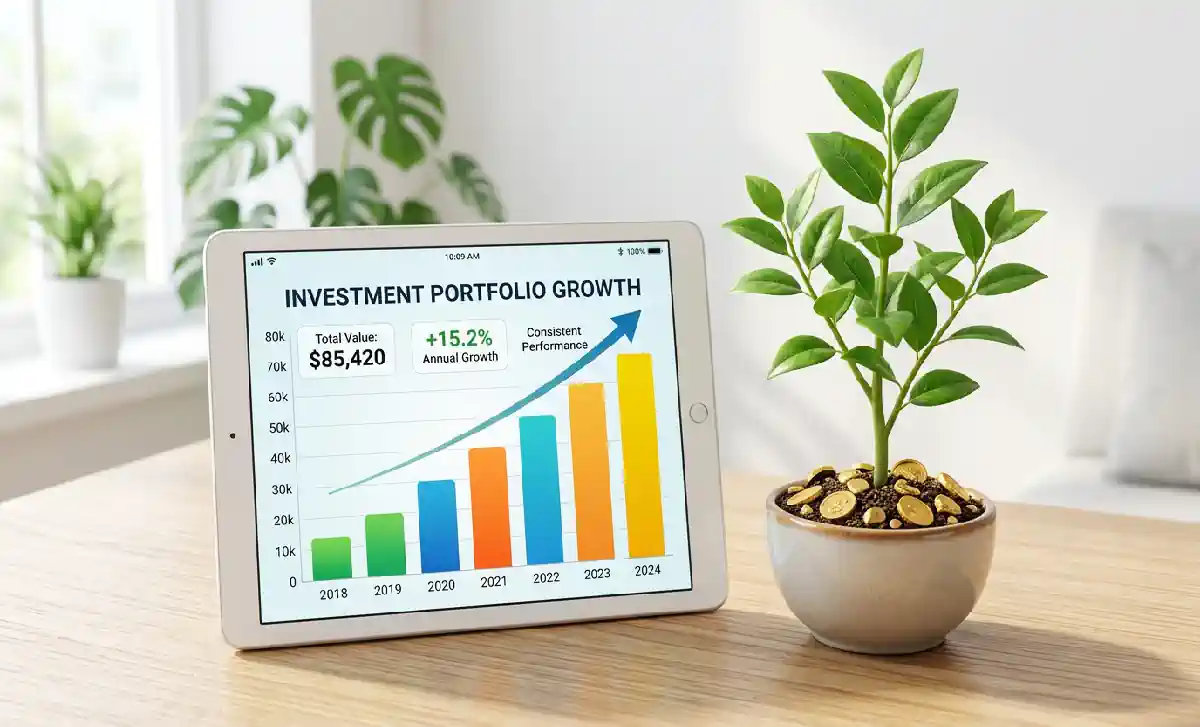
In the volatile financial landscape of 2026, investors are increasingly wary of the “boom and bust” cycles of speculative tech stocks and the unpredictability of crypto-assets. As the global economy settles into a new era of stabilised interest rates, a classic financial instrument is making a sophisticated comeback: Bank Bonds.
Often overlooked in favor of flashy equities or standard government treasuries, bank bonds offer a unique “middle ground” that combines the security of institutional backing with yields that significantly outperform traditional savings accounts. This comprehensive guide explores how to leverage bank bonds to unlock long-term wealth and provide a fortified foundation for your investment portfolio.
1. What Are Bank Bonds? Understanding the Basics
A bank bond is essentially a loan you provide to a financial institution. In exchange for your capital, the bank agrees to pay you a fixed or floating interest rate (the coupon) for a specific period, returning your principal investment upon the bond’s maturity.
Unlike a savings account or a Certificate of Deposit (CD), which are liabilities for the bank, bonds are tradable securities. This means they offer liquidity—you can sell your bond on the secondary market before it matures if you need access to your cash.
The Capital Stack
To understand bank bonds, you must understand where they sit in the bank’s “capital stack.” If a bank faces liquidation, there is a specific order in which creditors are paid:
- Depositors: (The most secure)
- Senior Debt: (Senior Bank Bonds)
- Subordinated Debt: (Junior Bonds/Tier 2)
- Equity: (Common Stockholders – the last to be paid)
By moving from equity into senior or subordinated debt, you significantly lower your risk profile while still capturing attractive returns.
2. Why Bank Bonds? The Strategic Advantage in 2026
In 2026, central banks have moved away from the extreme “cheap money” policies of the early 2020s. This has created a “sweet spot” for bondholders.
Yield Enhancement
While government bonds (Treasuries) are the “risk-free” benchmark, they often offer lower yields. Bank bonds typically carry a credit spread—an extra percentage of interest offered to compensate for the slight increase in risk compared to the government. For a high-quality “Global Systemically Important Bank” (G-SIB), this spread can provide a meaningful boost to your annual income without exposing you to the volatility of the stock market.
Diversification and Low Correlation
Bank bonds often move differently than stocks. During a market correction, while bank stocks might plummet due to fears over lending margins, the bonds of that same bank often remain stable, provided the bank remains solvent. This makes them an excellent “ballast” for a portfolio, keeping you steady when the equity markets get choppy.
3. Types of Bank Bonds: Navigating the Options
Not all bank bonds are created equal. Investors must choose based on their risk tolerance and income needs.
Senior Unsecured Bonds
These are the most common and safest form of bank debt. They are “unsecured” because they aren’t backed by specific collateral, but they are backed by the full faith and credit of the institution. In the hierarchy of claims, senior bondholders are near the front of the line.
Subordinated (Tier 2) Bonds
These offer higher yields because they sit lower in the capital stack. If the bank runs into trouble, subordinated bondholders are paid after senior bondholders but before stockholders. These are ideal for investors seeking “equity-like” returns with “bond-like” safety.
AT1 Bonds (Additional Tier 1)
Also known as “CoCos” (Contingent Convertibles), these are high-yield instruments that can convert into equity or be written down if the bank’s capital levels fall below a certain threshold. While higher risk, they offer some of the most attractive coupons in the fixed-income world.
4. How to Analyze a Bank Bond
Unlocking wealth requires due diligence. You shouldn’t buy a bond simply because of a high interest rate.
Credit Ratings
Agencies like S&P, Moody’s, and Fitch provide a “grade” for bank debt.
- Investment Grade (AAA to BBB-): High safety, lower yield.
- High Yield (BB+ and below): Higher risk of default, much higher yield.
Capital Adequacy Ratios (CET1)
In 2026, the most important metric for a bank bondholder is the Common Equity Tier 1 (CET1) ratio. This measures a bank’s core equity capital against its risk-weighted assets. A higher ratio (typically above 12-13% for major banks) indicates a massive “buffer” that protects bondholders from losses.
Interest Rate Environment
Bonds have an inverse relationship with interest rates. If rates rise, the market value of existing bonds falls. However, in the current 2026 environment of stabilized rates, “laddering” your bonds (buying bonds with different maturity dates) can mitigate this risk.
5. Building a “Bond Ladder” for Consistent Wealth
A “Bond Ladder” is a premier strategy for individual investors. Instead of putting all your money into one 10-year bond, you spread your investment across multiple bonds with staggered maturities.
Example of a 5-Year Bank Bond Ladder:
- Bond A: $20,000 maturing in 1 year.
- Bond B: $20,000 maturing in 2 years.
- Bond C: $20,000 maturing in 3 years.
- Bond D: $20,000 maturing in 4 years.
- Bond E: $20,000 maturing in 5 years.
As each bond matures, you reinvest the principal into a new 5-year bond at the then-current interest rates. This provides constant liquidity and protects you from being locked into a low rate if market interest rates increase.
6. Common Risks and How to Mitigate Them
No investment is entirely risk-free. Awareness is your best defense.
Default Risk
The risk that the bank cannot pay its debts. Mitigate this by sticking to “Too Big to Fail” institutions or using Bond ETFs (Exchange Traded Funds) which hold hundreds of different bank bonds, diversifying the default risk away.
Inflation Risk
If inflation is 4% and your bond pays 5%, your “real” return is only 1%. To fight this, look for Floating Rate Notes (FRNs). These bank bonds have coupons that adjust periodically based on current market rates, ensuring your income keeps pace with inflation.
Call Risk
Some bonds are “callable,” meaning the bank can pay you back early if interest rates drop (so they can re-borrow cheaper). Always check the “Yield to Call” (YTC) rather than just the “Yield to Maturity” (YTM) to ensure you aren’t surprised by an early redemption.
7. The 2026 Digital Revolution: Tokenized Bonds
A major shift in 2026 is the rise of tokenized bank bonds. Using blockchain technology, major banks are now issuing “fractionalized” bonds. Historically, buying a single bank bond required a minimum investment of $10,000 or even $100,000.
Through tokenization, retail investors can now buy $500 or $1,000 increments of high-quality institutional debt. This has “democratized” the bond market, allowing smaller investors to access the same wealth-building tools previously reserved for the ultra-wealthy.
8. Conclusion: Your Path to Financial Fortification
Bank bonds are no longer the “boring” relics of the past. In a diversified 2026 portfolio, they represent a sophisticated tool for wealth preservation and income generation. By providing a higher yield than cash and lower volatility than stocks, they offer a disciplined path to financial independence.
Whether you are a conservative investor looking to protect your nest egg or a growth-oriented investor looking for a stable “dry powder” reserve, bank bonds deserve a seat at your table. Start by researching the credit ratings of your primary financial institution and consider a small allocation to a diversified Bank Bond ETF to begin unlocking this hidden potential.
FAQ: Frequently Asked Questions
Q: Are bank bonds insured by the FDIC? A: No. Unlike savings accounts, bonds are investment securities and are not covered by government deposit insurance. Their safety relies on the bank’s financial strength.
Q: Can I sell my bank bond before it matures? A: Yes. Bank bonds are traded on the secondary market. However, the price you get may be higher or lower than what you paid, depending on current interest rates.
Q: What is the difference between a Bank Bond and a Bank Stock? A: Ownership vs. Debt. As a bondholder, you are a lender and have a legal claim to interest and principal. As a stockholder, you are an owner and only have a claim to whatever profit is left over after all debts (including bonds) are paid.
Disclaimer: The content provided above is for general educational purposes only and does not constitute personalized financial or investment advice. Always verify details independently and consult a certified financial professional prior to investing or opening accounts.
[…] if your bank offers a high-yield savings account. You could also see if it offers one of the best CD rates right now. Combined, these accounts could help you earn the maximum amount of money on the cash you keep at […]
[…] Principal Repayment: The return of your original investment on a specific Maturity Date. […]