

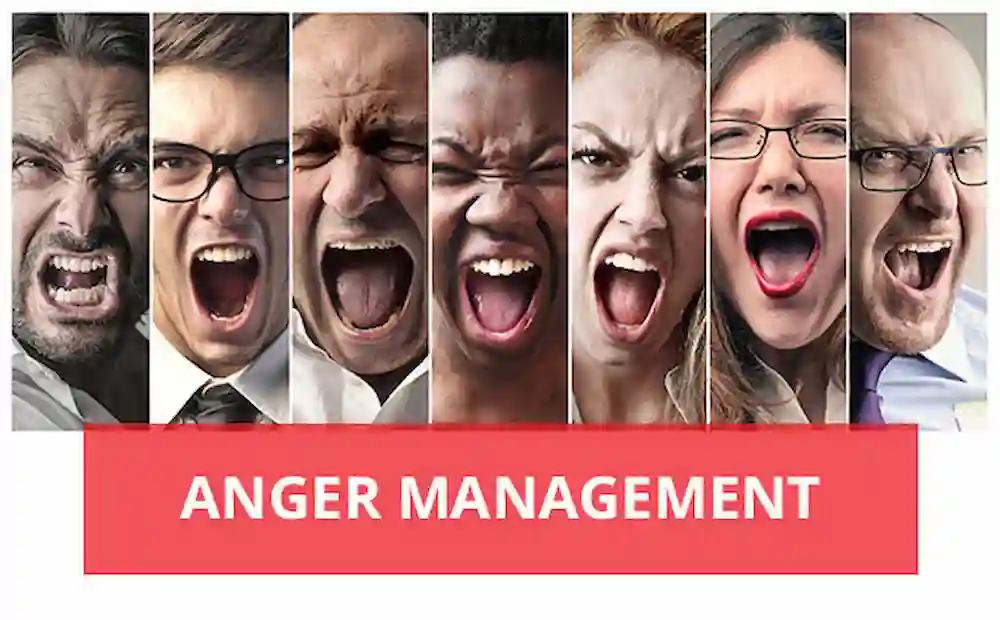
Anger is a universal human emotion, ranging from mild irritation to intense rage. While it is a natural response to perceived threats, injustice, or frustration, unmanaged anger can become a destructive force. It strains relationships, impairs judgment, and takes a significant toll on physical health.
In today’s high-pressure world, learning anger management is not about suppressing your feelings; it is about understanding them and choosing a constructive response.
The Physiology of Anger: Why We “See Red”
When you get angry, your body’s “fight or flight” system kicks in. The adrenal glands flood your system with stress hormones like adrenaline and cortisol. Your heart rate increases, blood pressure rises, and your muscles tense.
This physiological surge is designed for physical survival, but in a modern context—such as a frustrating email or a traffic jam—this energy has nowhere to go. If not managed, this chronic state of “high alert” can lead to headaches, digestive issues, and long-term cardiovascular problems.

When treating or dealing with anger issues, there are many suggestions for anger management strategies. Each of them is intended to help people who are hot-tempered and frequently have fits of rage. Anger, although a healthy and normal response to upsetting situations, can be intense to the point of violence. When a person experiences regular episodes of angry or reckless behavior, there’s a problem, one that needs to be dealt with. Anger management strategies are designed to help an individual return to a healthy, normal existence.

Taking a time-out is considered a healthy management strategy. Removing oneself from a situation or person that makes a person angry is practicing a time-out. This anger management strategy might simply require a ride in the car or a walk on the beach. Playing sports or working out will help an individual to use up some of the extra energy without involving others. Some other suggestions for time-out are reading, listening to music, or sitting alone in silence. Each of these activities is a healthy anger management strategy.
A second example of a healthy anger management strategy is owning up to the anger. Although the anger is usually brought on by an irritating situation or a confrontation with another individual, the anger actually belongs to the troubled person.
Only the person who’s experiencing the anger issues can control their outbursts. Only the person with anger issues can learn anger management strategies and how to deal with their feelings in a healthy way. When an individual becomes mad or upset, they need to try to disclose the reasons for their anger, whether it is hurt, fear, frustration, sadness, confusion, jealousy, or whatever seems to bring on the rage.
Another healthy anger management strategy is to look back on those situations that upset an individual and try to find ways to make changes. Learning the cause of the anger may help the individual to avoid those situations. Not only might the person learn to avoid these incidents, but they might also choose to take what they’ve learned and attempt to deal with the situation without bursting into a frenzy.
A fourth suggestion regarding healthy management strategies is to confront the situation or person. Talk to the person or people involved, calmly, of course, to try to determine the root of the problem. The angry individual might actually discover that the whole thing was a mix-up, a misunderstanding. The individual might also try asking the person or people in the situation to think about their behaviour and perhaps even change it. It may be surprising what people would be willing to do to help the person who is attempting to deal with their problems with anger. Hopefully, everything will work out for the best. If not, there has to be room for acceptance. Sometimes a person must simply accept the situations and people they cannot change and either deal with them or walk away.
Learning healthy anger management strategies should be considered by those with anger problems. There are many books published regarding anger and anger management. There is also a wealth of information available on the Internet for those who are attempting to deal with their anger by learning healthy anger management strategies.
1. Recognise the Warning Signs
The first step in anger management is self-awareness. Anger rarely comes out of nowhere; it usually sends “early warning” signals to your body.
- Physical cues: Clenched fists, a tight jaw, a racing heart, or a sudden feeling of heat in the face.
- Cognitive cues: “Black and white” thinking, or the urge to use absolute words like “always” and “never.”
By recognising these signs early, you can intervene before your emotions reach the “point of no return.”
2. The “Power of the Pause”
Once you feel the physical rise of anger, you need to create space between the stimulus and your response.
- The 10-Second Rule: It sounds cliché, but counting to ten gives the “logical” part of your brain (the prefrontal cortex) a chance to catch up with the “emotional” part (the amygdala).
- Controlled Breathing: Deep, diaphragmatic breathing signals to your nervous system that you are not in physical danger. Inhale for four seconds, hold for four, and exhale for four. This “box breathing” technique is used by elite performers to stay calm under pressure.
3. Cognitive Restructuring: Changing Your Narrative
Anger is often fueled by the way we interpret events. This is known as our internal monologue.
- Avoid “Musts” and “Shoulds”: Thinking “They should have known better” or “This must be fixed now” creates rigid expectations that lead to fury when they aren’t met.
- Practice Empathy: Ask yourself, “What else could be going on here?” Perhaps the person who cut you off in traffic is rushing to a family emergency. Shifting the narrative from “they are attacking me” to “they are struggling” can instantly lower your temperature.
4. Assertive vs. Aggressive Communication
Many people believe that anger management means being a “doormat.” On the contrary, it teaches you to be assertive rather than aggressive.
- Use “I” Statements: Instead of saying, “You always ruin everything,” try, “I feel frustrated when the house is messy because it makes it hard for me to relax.”
- Focus on Solutions: Instead of dwelling on the grievance, pivot the conversation toward how to prevent the issue in the future.
5. Physical Release and Lifestyle Habits
Sometimes, the energy of anger needs a physical outlet. However, avoid “venting” through aggression (like punching a pillow), as research suggests this can actually reinforce angry patterns.
- Exercise: A brisk walk or a session at the gym can help burn off the excess adrenaline.
- Sleep and Nutrition: We are far more prone to anger when we are “hangry” or sleep-deprived. Stability in your lifestyle leads to stability in your mood.
- Identify Triggers: Keep an “anger log” for a week. Do you get angrier at night? After talking to a specific person? Once you identify patterns, you can modify your environment to avoid those triggers.
6. When to Seek Professional Help
If your anger is affecting your job, leading to physical altercations, or causing loved ones to fear you, it is time to seek professional support. Cognitive Behavioural Therapy (CBT) is highly effective for anger management, helping individuals identify the root causes of their rage and develop personalised coping mechanisms.
Conclusion: Anger is a Choice
Anger is an inevitable part of life, but how you express it is a choice. Mastery over your temper doesn’t happen overnight; it is a skill that requires practice, patience, and persistence.
By utilizing breathing techniques, restructuring your thoughts, and choosing assertive communication, you can turn a destructive emotion into a constructive one. Remember: The person who can stay calm while others are losing their temper is the one who truly holds the power in the room.