

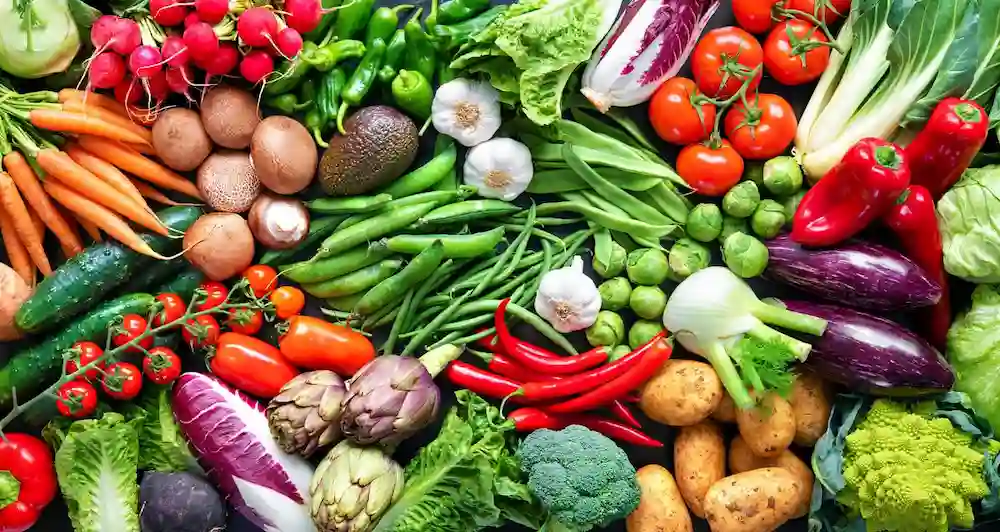
Why start a garden? From better nutrition to saving money, discover the top 7 reasons to grow your own organic vegetables this year.
In an era of hyper-processed convenience, there is a quiet revolution happening in backyards, balconies, and community plots. Growing your own organic vegetable garden is no longer just a hobby for the “green-thumbed”—it is a powerful strategy for personal health, environmental stewardship, and financial independence.
If you’ve been considering turning a patch of dirt into a source of food, here are seven compelling reasons to start your organic garden .
1. Unmatched Nutritional Potency
The minute a vegetable is harvested, its nutrient profile begins to degrade. Store-bought produce often travels thousands of miles and sits in warehouses for weeks. When you pick a bell pepper or a handful of kale from your own garden and put it straight onto your plate, you are consuming the maximum possible levels of Vitamins C, A, and E.
2. Complete Chemical Transparency
When you buy “organic” at the store, you are trusting a label. When you grow your own, you have 100% control. You decide what goes into the soil and what touches the leaves. By using compost, neem oil, or beneficial insects like ladybugs instead of synthetic pesticides and herbicides, you ensure your family isn’t consuming endocrine-disrupting chemicals.
3. Superior Flavor Profiles
If you think you don’t like Brussels sprouts or tomatoes, it might be because you’ve only eaten the “cardboard” versions bred for shelf-life, not taste. Homegrown vegetables are allowed to ripen naturally on the vine, developing complex sugars and aromatic compounds that commercial farming simply cannot replicate.
4. Significant Grocery Savings
While there is a small upfront cost for seeds and soil, the return on investment is massive. A single packet of heirloom tomato seeds costing $4 can produce dozens of pounds of fruit that would cost $50+ at a premium grocer. Gardening allows you to “bank” calories in the form of preserves, pickles, and frozen harvests.
5. Stress Reduction and “Earthing”
Gardening is a proven stress-reliever. Digging in the dirt exposes you to Mycobacterium vaccae, a healthy soil bacterium that has been shown to trigger serotonin release in the brain. The physical act of “earthing” or grounding—connecting your body to the land—lowers cortisol levels and improves sleep quality.
6. Environmental Stewardship
Your backyard garden is a win for the planet. It eliminates the “food miles” associated with carbon-heavy transportation. Furthermore, organic gardens act as sanctuaries for essential pollinators like bees and butterflies, which are currently facing global population declines due to industrial agriculture.
7. Education for the Next Generation
A garden is a living classroom. For families with children, a vegetable patch teaches the cycles of life, the importance of patience, and where food actually comes from. Kids who participate in growing vegetables are significantly more likely to eat them, helping to curb picky eating habits early on.

Seven reasons are given to grow our own organic vegetable garden
During the last decades, there has been a change towards mechanisation and homogenization of farming, which uses pesticides, additives, herbicides, synthetic fertilisers, and mass-production techniques. All this is clearly affecting mankind’s health, and new diseases are spreading rapidly amongst humans and animals (bird flu being the most recent one).
The World Health Organisation produces reports to show how the use of chemicals and other products on food, coupled with the manufacturing processes involved, is actually a threat to our health.
If you have space for a few pots or even a small piece of land, it is a wise decision to grow your own organic vegetable garden. Today I’m presenting you with seven reasons for doing this:
- You will have no additives in your vegetables. Research by organic food associations has shown that additives in our food can cause heart disease, osteoporosis, migraines, and hyperactivity.
- There will be no pesticides or synthetic fertilisers used. These chemical products are applied to obtain crops all the time, regardless of plagues or weather conditions, and affect the quality of the vegetables. Besides, pesticides are usually poisonous to humans.
- Your vegetables will not be genetically modified (GM). Antibiotics, drugs and hormones are used on vegetables to grow more and larger ones. One of the consequences of this practice are vegetables which look all the same and are usually tasteless. Besides, we end up consuming the hormones that have been used on the vegetables, with the potential risks for our health.
- Eating your own organic vegetables will be much healthier for you. They will not contain any of the products or chemicals named above, and they will be much more natural than any ones you would find at the supermarket. Your health will not be at risk because you will then know that nothing has been added to your vegetables.
- Your own organic vegetables will be much more tasty. The use of pesticides, synthetic fertilisers, hormones, and antibiotics makes vegetables grow unnaturally and takes the taste away from them. With organic vegetables, your cooking will be enhanced as their flavor will show fully.
- Organic farming is friendly to the environment. Because you won’t use pesticides or other equally harmful products on your vegetables, you will not damage the soil or the air with the chemical components.
- When you grow your own organic vegetables, you are contributing to your own self-sustainability and the sustainability of the planet. Small communities have been founded where members exchange products that they grow naturally, thus contributing to create a friendly and better place for us all.
In the end, eating organic products only means that we do not add anything else to them than they would naturally have. As you can guess, additives, fertilisers, pesticides, or hormones are not components of naturally grown food. To better care for your health, grow your own organic vegetables—and a few pots are all you need.
Conclusion: Start Small, Grow Big
You don’t need an acre of land to reap these rewards. A few containers on a sunny windowsill or a single raised bed can provide a surprising amount of food. By planting a garden, you are doing more than growing food—you are growing a healthier, more sustainable future for yourself and your community.