

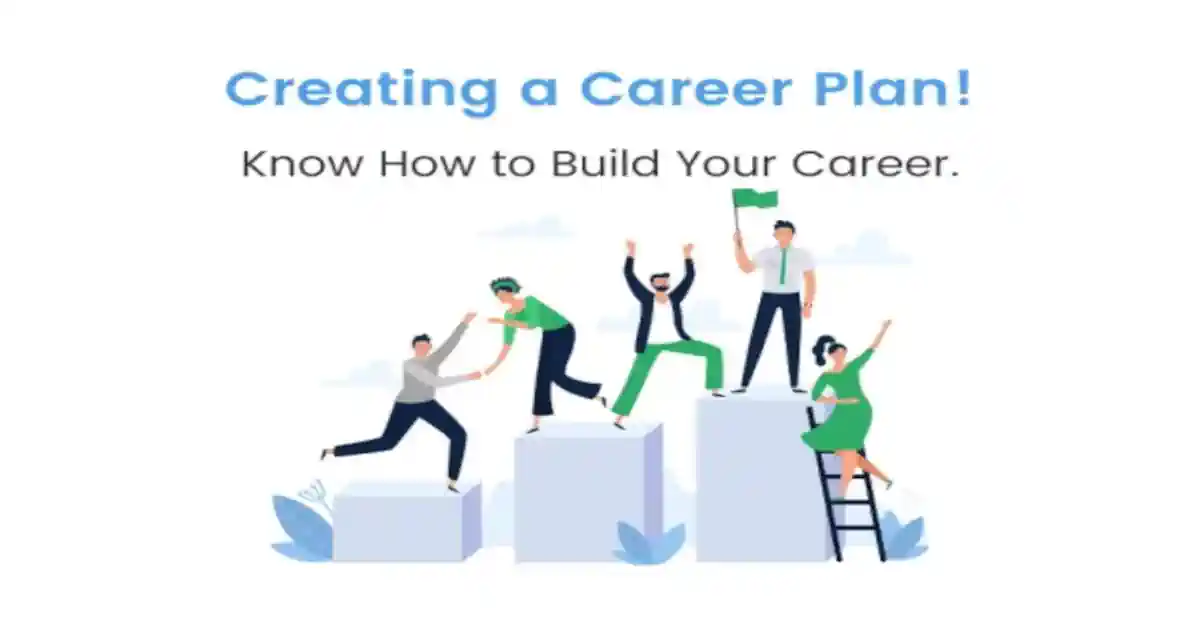
Planning your career effectively requires a structured, multi-step framework based on self-evaluation, continuous learning, and adaptable goal-setting.
A successful professional path does not happen by accident; it relies on treating your development as an intentional roadmap rather than leaving it to chance.
Core Rules and Steps for Career Planning
- Conduct a Self-Assessment
- Identify strengths and interests: Figure out what you enjoy doing and where your natural talents lie.
- Define personal values: Establish your non-negotiables, such as desired work-life balance, salary expectations, or remote flexibility.
- Assess skill gaps: Take an honest inventory of the technical and soft skills you possess versus what your target role requires.
- Research Options and Market Demand
- Explore industries: Look beyond familiar job titles and study emerging markets and high-demand sectors.
- Analyze job requirements: Read current job descriptions on platforms like LinkedIn or Indeed to understand required certifications, tools, and education levels.
- Establish “SMART” Goals
- Short-term milestones (under 12 months): Focus on immediate wins, such as completing an online course, earning a certification, or taking on a high-visibility project.
- Long-term vision (1 to 5+ years): Define major markers like promotions, management transitions, or industry pivots using the SMART goals framework (Specific, Measurable, Attainable, Relevant, Time-bound).
- Build Practical Experience and Networks
- Gain hands-on exposure: Participate in internships, volunteer work, or cross-functional projects to test out career options.
- Network intentionally: Connect with industry professionals and seek out mentors to gain insider guidance and open doors to unadvertised opportunities.
- Monitor and Adjust Dynamically
- Treat the plan like a pencil: Keep your strategy flexible so you can adapt to personal growth, economic shifts, and unforeseen opportunities.
- Review regularly: Evaluate your progress quarterly or annually and update your action items based on supervisor feedback and market changes
There are 10 rules I followed to plan my career:
1. Put Learning over Earning: Most folks look for instant gratification. In the initial part of my career I focused only on earning, I quickly realized my mistake.
2. Find out where you Stand: Are you being paid more than your skills? The easiest way is to go to the market & check. I used to do this frequently probably my own insecurity but also to find out where I stand. Giving interviews is the easiest way to find out where you stand
3. Take Risks: Trying new things is also a learning experience. I was not clear about what I wanted to do; hence, I tried my hand at many things till I found it. These included changing industries, roles, & quitting my job:)
4. Networking to Give: Building networks by giving freely. Connecting people together so they can benefit. I tried to help people find jobs or opportunities. I did this for many years slowly the network started to give back to me.
5. Take Initiatives: Picking initiatives, projects, volunteering, helping both the organization & my colleagues. I remember my first unpaid external consulting project helped 150 people in an organization. Job shadowing & interning can be simple ways to do it.
6. Forever Upskill: Pursuing both formal & informal learning throughout my career. This was through certifications, trainings, education, and and programs.
I also realized that there are 6 common MISTAKES we make in our CAREER:
1. Moving jobs for Money: This gets you nowhere, but in India, this is probably why most folks move jobs. If today the salaries of data scientists are reduced by half, all the hype will go away. I made this mistake. In fact, taking pay cuts for learning is good. I did it a few times in my career.
2. Moving jobs for a Bad Boss: I never made this mistake I stuck longer with bad bosses, so I learned so much more. This is tough. I stuck on for a few years with the worst boss I had. It changed my life completely.
3. Not Managing Politics: I was bad at politics; hence, I struggled in political organizations. Actually, most organizations are political.
4. Frequent job moves: I made frequent job moves; it did not help. Thinking through why it is so important. Good companies do not hire jobhoppers.
5. Not Taking Risks: I took up different roles all the time in my career; I loved taking risks. Most folks don’t take enough risks; hence, they don’t progress fast enough. Taking risks for learning is essential.
6. Not having a Career Roadmap: Most folks don’t have a clear roadmap for their career. This is why quarter-life & midcareer crises happen as well. We need to have a clear direction. Choosing learning over earning is so important. I made this mistake initially, but mended it soon. Do what you love to do. Love what you do.
1. Conduct a Self-Assessment Audit
Before looking at job boards, look at yourself. A successful career plan begins with an honest evaluation of your current “Career Identity.”
- Audit your strengths: What tasks energize you? What do peers consistently praise you for?
- Define your values: Is remote flexibility more important than a high-salary title? Identifying your non-negotiables prevents burnout later.
- Identify gaps: Be honest about the technical or soft skills you lack for the role you want next.
2. Set SMART Career Goals
Vague ambitions like “I want a promotion” rarely lead to results. Instead, use the SMART framework to turn dreams into a concrete action plan.
- Specific: “I want to become a Senior Data Analyst.”
- Measurable: “I will complete two advanced SQL certifications.”
- Achievable: Ensure you have the 10 hours a week required for study.
- Relevant: Does this certification align with your 5-year vision?
- Time-bound: “I will achieve this by December 2026.”
3. Build a 90-Day Roadmap
Long-term goals are less daunting when broken into quarterly “sprints.” For the first 90 days of your career development journey, focus on high-impact, low-barrier tasks:
- Update your LinkedIn: Use keywords relevant to your target industry to improve your “Personal SEO.”
- Network intentionally: Reach out to three people in your desired field for “informational interviews.”
- Learn one skill: Master a specific tool or software that is currently in demand.
4. Prioritise Continuous Learning
In the 2026 economy, a degree is just the starting line. Professional growth requires a commitment to being a “lifelong learner.”
Pro Tip: Focus on “Human + AI” skills. Understand how to use AI tools to augment your specific role (e.g., AI for marketing analytics or AI-driven coding assistants). This makes you indispensable.
5. Master Your Personal SEO
In a digital-first world, recruiters often find you before you find them. To rank higher in candidate searches:
- Use industry keywords: Use terms like “Agile Management,” “Python,” or “Strategic Planning” naturally in your bio and resume.
- Showcase achievements: Don’t just list duties; use metrics. Instead of “Managed a team,” use “Managed a team of 10 to increase output by 20%.”
Conclusion
Planning your career isn’t a one-time event; it’s a living strategy. By combining self-assessment, SMART goals, and a commitment to continuous learning, you can navigate the shifts of 2026 with confidence. Start your 90-day plan today and take the first step toward a more fulfilling professional life.
Disclaimer: This article is for informational and educational purposes only. Technology and AI tools evolve rapidly, and software features, pricing, or capabilities may change over time. Always verify current features and terms directly with the service provider before making purchases or implementing software decisions.